Sewage cleanup, handled with a steady plan.
Sewage is a health and property concern that needs a careful response, not a quick mop-up. We isolate the affected area, remove contaminated materials where needed, clean hard surfaces, and document the work as the space moves toward safe use.
Sewage losses can involve microorganisms, unpleasant odors, and materials that cannot be safely cleaned. The first priority is to keep people and unaffected rooms away from the impacted area while the source is addressed. We discuss what is known, what is uncertain, and which contents or building materials need professional evaluation before anyone handles them.
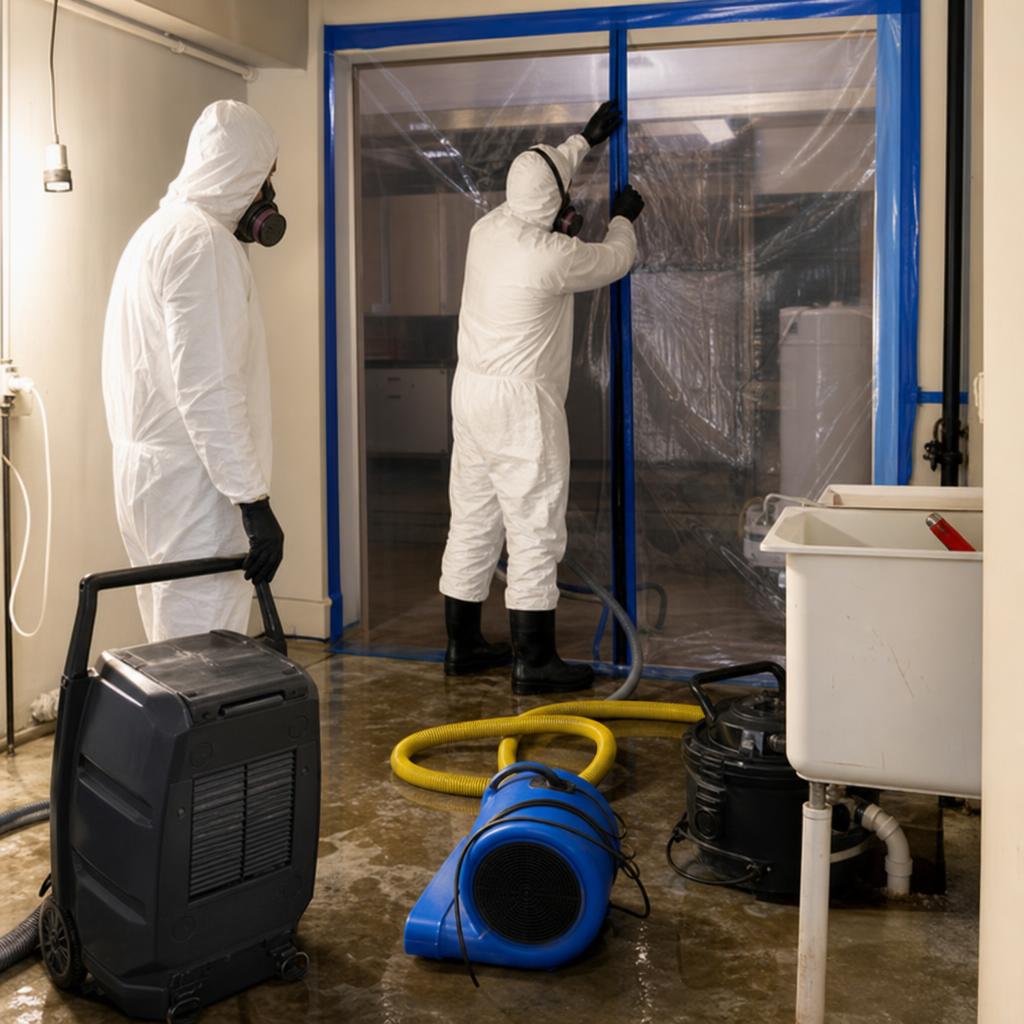
What our crew looks for
- Arrival safety assessment and affected-area containment
- Removal of sewage, contaminated contents, and unsalvageable materials
- Cleaning and sanitization of impacted surfaces
- Moisture checks and drying plan before the job is complete
Important decisions during this service
- Avoid tracking contaminated water through clean rooms; use a defined entry and exit path.
- Porous drywall, insulation, carpet pad, and other materials may need removal when contamination has penetrated them.
- Cleaning is followed by drying and a final condition check; masking an odor is not the same as removing its source.
Every property is different. We use moisture readings, visual assessment, and standards-based restoration methods to shape the work rather than assume the same answer for every loss. Conditions can change as materials are opened, contents are moved, or the source is fully understood, so we explain practical next steps instead of promising an outcome before assessment.
During the conversation, tell us whether the source has stopped, which areas are affected, and whether anyone has already entered the space. Those details help frame safe access and the first priority, but they do not replace an on-site assessment. We can also discuss what to leave in place, what can be moved safely, and which questions to ask before cleanup begins. The aim is to reduce confusion while preserving the information needed for a responsible scope of work.
Preparing for professional sewage cleanup
Before the crew arrives, avoid unnecessary traffic through wet or contaminated rooms and keep children, pets, customers, and occupants away from equipment or standing water. If it is safe, note when the problem began, what may have caused it, and any changes you have observed. Do not remove damaged materials, apply household chemicals, or move contaminated contents through clean areas simply to make the room look ready. Preserving the condition of the loss helps the assessment and keeps avoidable exposure from spreading.
Sewage extraction is often the first step when wastewater remains, while sanitization and odor control addresses the cleaned space. Browse all restoration services to compare options, or view local coverage for the communities we serve.